

You already know that Greenville’s hot and humid summers need a well-functioning air conditioner that won’t let you down. Let’s discover how you can ensure your AC is running at its best while keeping your home cool and comfortable.
Maintain Your Unit Often
- Clean your coils: The evaporator and condenser coils accumulate dirt over time, reducing their ability to absorb and release heat. Cleaning them improves your AC’s efficiency.
- Change filters regularly: Air filters trap dust, dirt, and other particles, preventing them from clogging the system. Over time, these get dirty and reduce airflow. Changing filters every 1–3 months helps your AC maintain optimal airflow and provide good indoor air quality.
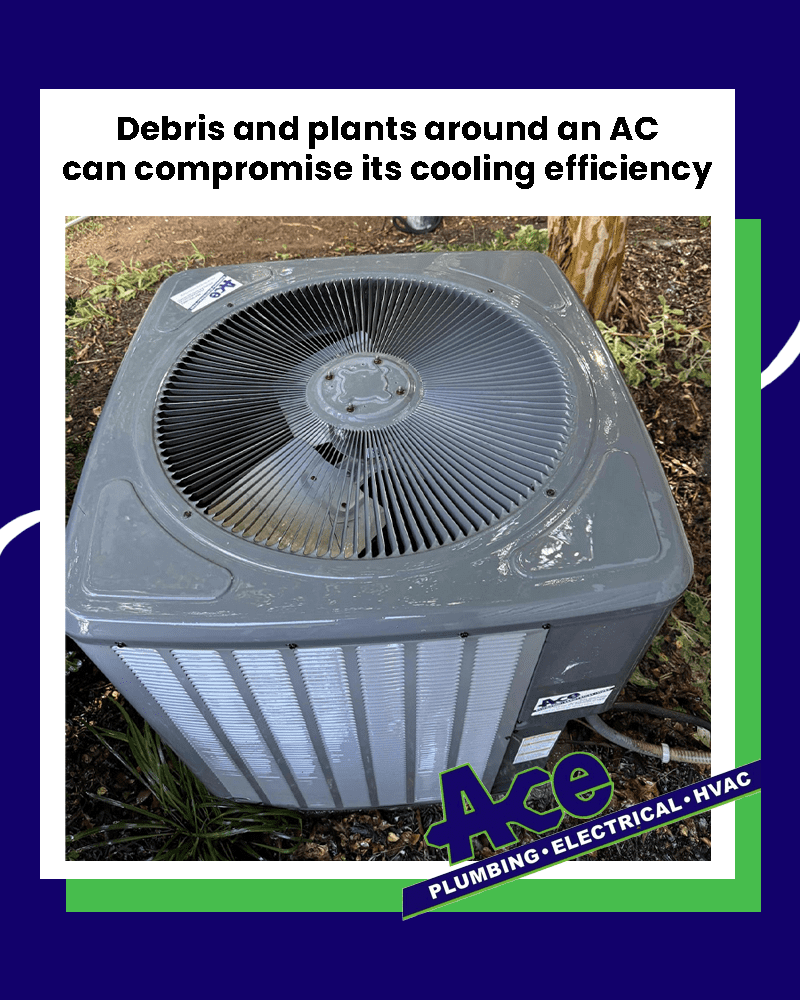
- Clear the area around the unit: Keep the area around your outdoor unit free from debris, leaves, and plants. This helps ensure good airflow from the unit and prevents it from overheating.
- Inspect the ductwork: About 20 to 30 percent of circulating air is lost due to leaks. Check for any visible leaks or damage and seal them with duct tape or mastic sealant.
- Schedule annual check-ups: A thorough check-up, ideally before summer (before intense cooling periods start), can help identify and fix small issues before they become major problems.
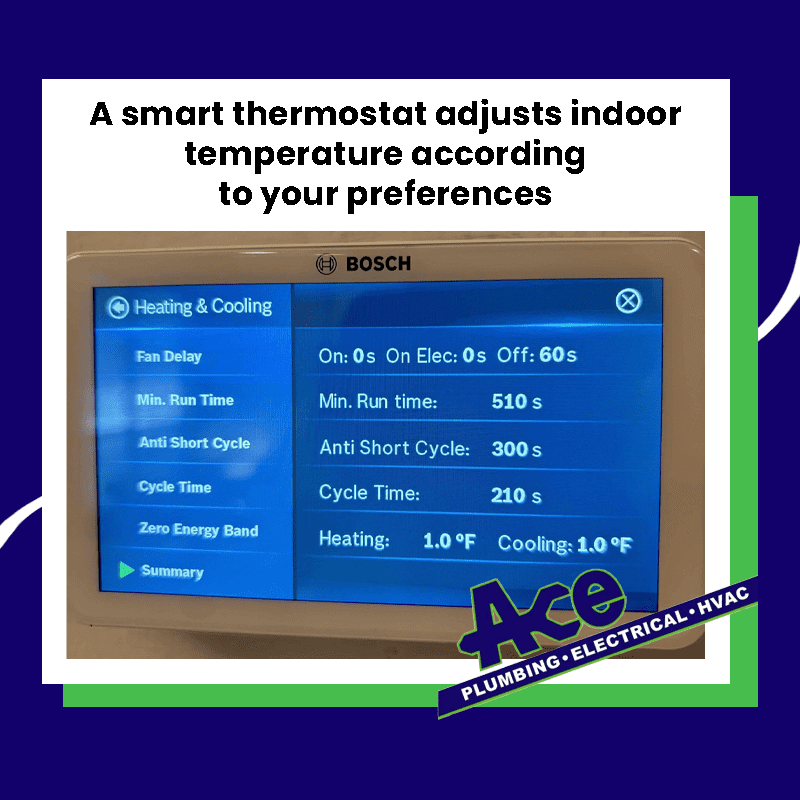
Adjust Your Thermostat Accordingly
- Be smart with temperature: Setting your thermostat higher when you’re not home can save energy. A programmable thermostat allows you to set different temperatures for different times of the day, ensuring comfort when you’re home and savings when you’re not.
- Avoid extreme settings: Setting your thermostat to a very low temperature will not cool your home faster, and can strain the system instead. A moderate setting, typically around 78°F when you’re home and higher when you’re away, balances comfort and efficiency.
Tips for Energy Efficiency
- Ceiling fans are your friends: They help circulate cool air, making your home feel comfortable without overburdening the AC only. Ceiling fans also allow you to set your thermostat a few degrees higher and still feel all right!
- Seal windows and doors: Ensure windows and doors are properly sealed to prevent cool air from escaping and warm air from entering. This helps reduce the workload on your AC. Consider installing efficient models, like storm windows, which can save you 12–33 percent on heating and cooling costs.
- Shade your unit: If possible, install your air conditioner’s outdoor unit in a shaded area. This can help it run more efficiently, without the unit overheating.
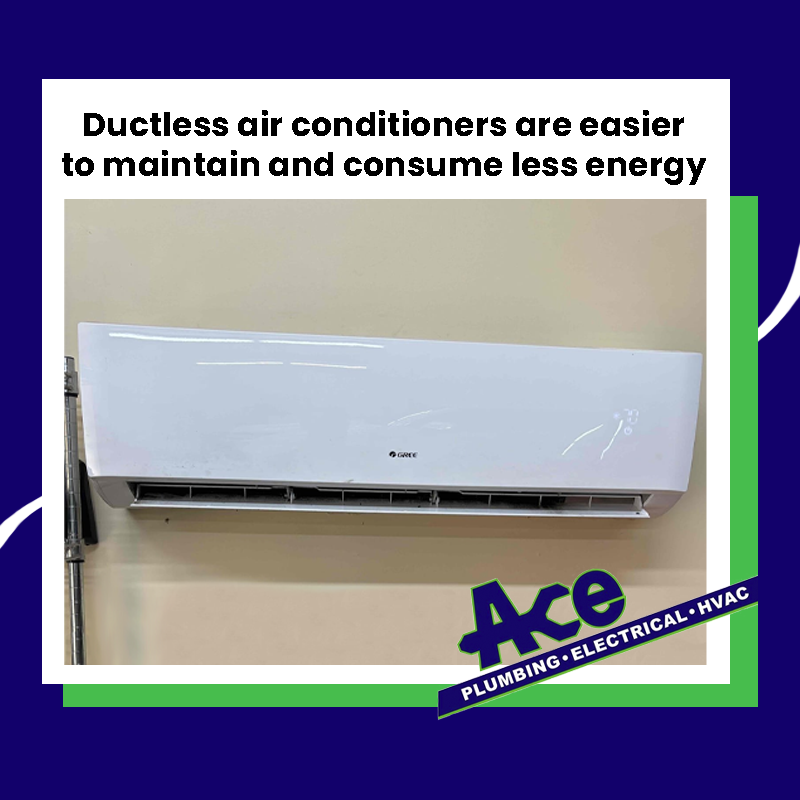
- Consider a more efficient unit: Some models like ductless mini-splits consume less energy, and are easier to maintain than a big central AC. Consult an expert for the best fit for your space.
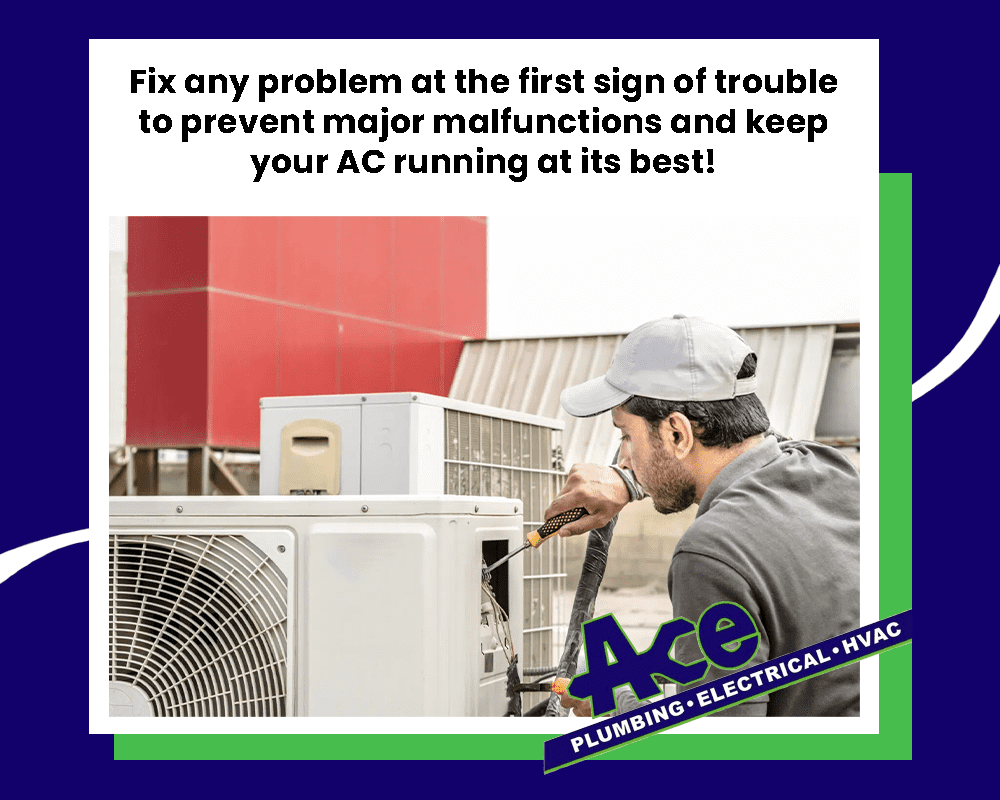
Solve Problems on Time!
- Unusual Noises: Grinding, squealing, or banging sounds can indicate mechanical issues. It’s best to address these early to avoid major AC repairs.
- Reduced airflow: If you notice weak airflow through your vents, it could be a sign of a clogged filter, duct issues, or a failing compressor.
- High humidity levels: Your AC should regulate humidity levels in your home. If it’s still humid inside, that’s a signal your unit might not be functioning properly.