
.png.2610061452050.webp)
What if you could save money and help the environment simultaneously, without massive investments or habit changes?
Keep reading to learn quick and easy ways to save money on utility bills and achieve an energy-efficient home.
What is Home Energy Efficiency?
An energy-efficient home uses less energy than the average to perform the same task or produce the same result.
Planning and building an energy-efficient home is one way of saving electricity while drastically reducing carbon emissions. However, a new home is not the only solution; there are quick and easy ways to save energy and money on utility bills, and create a greener future for you and your family.
Besides saving money, there are additional benefits to energy efficiency. Consider these:
- Lower environmental impact
- Enhanced performance
- Increased home value
- Rebates and incentives
- Improved indoor air quality
- Reduced maintenance costs
- Smart home integration
Electrical Efficiency: Help the Planet and Your Wallet
Nowadays, electricity is a primary need for any home; we rely on it to power our lights and devices. However, most of us are unaware that fossil fuel combustion, used for electricity generation and transportation, is the world’s largest source of CO₂ emissions.
In 2022, greenhouse gas emissions reached a record high of 39.3 billion tonnes of CO₂, constituting 87% of total global emissions. And the situation is not improving; demand is expected to increase by 2.5% in 2024. How can you help reduce this? Improve your energy efficiency at home!
Tips for Lowering Your Electrical Bills
- Upgrade to energy-efficient lighting: According to the Department of Energy, switching from traditional incandescent bulbs to LED lights can save energy and up to 75% on lighting costs. LEDs also last longer, reducing the frequency of replacements.
- Reduce the number of “always on” appliances: Many devices consume power even when turned off. Unplugging electronics or using power strips to turn off multiple devices simultaneously can prevent this slow but significant energy use.
- Install energy-efficient appliances: Invest in Energy Star-certified appliances that meet strict guidelines to improve energy efficiency set by the U.S. Environmental Protection Agency. They use less electricity without sacrificing performance.
- Optimize your HVAC system: Regular maintenance ensures your system runs efficiently. Replace air filters regularly and consider upgrading to a recent model with an energy-efficient furnace.
- Set appliances to energy-saving modes: Many modern appliances have energy-saving modes. Ensure you are using these settings to reduce your energy bill.
- Use timers and motion sensors: Installing timers and motion sensors for outdoor lighting and less frequently used areas can ensure lights are only on when needed, reducing unnecessary energy consumption.
- Installing solar panels: Consider installing solar panels to generate electricity if feasible. Renewable energy sources can significantly reduce your energy bill and reliance on the grid over time.
- Contact a professional to conduct an energy audit: This audit can identify areas for improvement in efficiency and recommend specific upgrades or changes.
- Upgrade electrical panels: Ensure your electrical panels and wiring are up-to-date and capable of handling modern energy loads efficiently. Outdated panels can lead to energy waste and potential safety hazards.
- Use energy monitors: Installing energy monitors can help you track your electricity usage in real-time, allowing you to identify and address high-consumption areas in your home.
- Opt for natural ventilation: Improve home energy efficiency by cooling it using natural ventilation whenever possible. Opening windows and doors to create cross-ventilation can reduce the need for air conditioning.
Air Conditioner Efficiency: Better Cooling, Less Effort
The first step is as simple as choosing the right unit! Depending on your home’s age and layout and the area’s climate, an expert can suggest a few options that will meet your needs, vision, and budget to improve energy efficiency.
Tips for Saving on Air Conditioning
There is more involved in an energy-efficient air conditioner than just choosing the correct one.
1. Regular maintenance
- Schedule annual tune-ups: Have a professional inspect and service your AC unit at least once a year to ensure it’s running efficiently.
- Clean or replace filters: Dirty filters restrict airflow, making your AC work harder. Clean or replace them every 1-3 months.
2. Use a programmable thermostat
- Set optimal temperatures: Program your thermostat to higher temperatures when you’re away and cooler when you’re home. You can save energy and as much as 5-15% a year on heating and cooling bills by turning the thermostat from 10⁰ to 15⁰ for 8 hours a day.
- Smart thermostats: Invest in a smart thermostat that learns your habits and adjusts settings automatically for optimal efficiency.
3. Seal and insulate your home
- Air sealing: Ensure windows and doors are properly sealed to prevent cool air from escaping.
- Insulate: Proper insulation in your walls, attic, and floors can help maintain the desired temperature, reducing the load on your AC.
4. Use ceiling fans
- Enhance air circulation: These can help circulate cool air, allowing you to set your thermostat a few degrees higher without sacrificing comfort.
5. Optimize airflow
- Keep vents clear: Make sure vents are not blocked by furniture or other objects, allowing for free airflow throughout your home.
- Close unused rooms: If you don’t frequently use rooms, close the vents and doors to direct cool air to occupied spaces.
6. Install window treatments
- Use blinds or curtains: Try this during the hottest part of the day to block out the sun and reduce the amount of heat entering your home.
- Reflective films: Consider installing these to reduce heat gain from sunlight.
7. Upgrade to a high-efficiency unit
- Energy-efficient models: If your AC unit is old, consider upgrading to an Energy Star-certified model. Look for units with a high SEER (Seasonal Energy Efficiency Ratio) rating to save energy.
- Proper sizing: Ensure your new unit is the right size for your home. An oversized or undersized unit can be less efficient.
8. Keep the outdoor unit clean
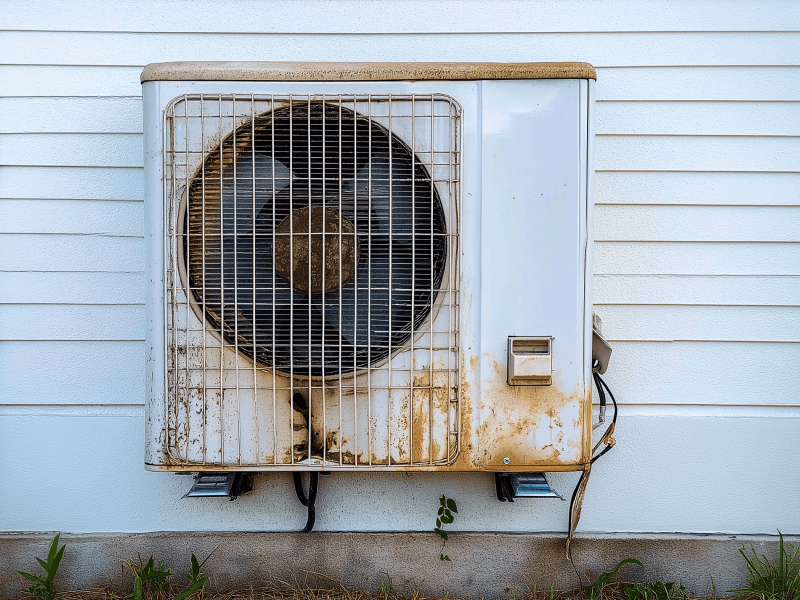
- Clear the area: Remove leaves, dirt, or debris around the outdoor condenser unit to ensure proper airflow.
- Shade the unit: If possible, place the outdoor unit in a shaded area to help it run more efficiently. Just make sure there is still adequate clearance for airflow.
9. Reduce heat sources inside
- Minimize heat-generating appliances: Use heat-generating appliances like ovens, stoves, and dryers during the cooler parts of the day.
- LED lighting: These produce less heat compared to incandescent bulbs.
10. Use energy-saving settings
- Eco mode: Many modern AC units have an energy-saving or eco mode that can reduce energy consumption while maintaining comfort.
- Turn it off: Keep your air conditioner on only when you’re home; don’t keep it running while you’re out.
11. Professional ductwork inspection
- Check for leaks: Have a professional inspect your ductwork for leaks and seal them if found to ensure efficient airflow.
Energy-Efficient Heating: Sustainable Comfort
In 2015, the Office of Energy Efficiency and Renewable Energy found that 55% of the electricity used in U.S. homes went toward heating and cooling units — and this percentage doesn’t even include water.
Tips for Saving on Heating
1. Upgrade your heating system
- High-efficiency furnaces: Consider replacing your older model with an energy-efficient furnace that uses less fuel and produces more heat.
- Heat pumps: Unlike traditional heating systems that generate heat by burning fuel or using electric resistance, heat pumps transfer heat from one place to another, requiring significantly less energy. Heat pumps can achieve 300-400% efficiency rates, producing three to four units of heat for every unit of electricity consumed.
2. Regular maintenance
- Annual check-ups: Schedule annual maintenance to ensure your heating system runs efficiently and helps reduce energy bills.
- Clean or replace filters: Replace them regularly to maintain optimal airflow.
3. Programmable thermostats
- Smart thermostats: Install programmable or smart thermostats that automatically adjust the temperature based on your schedule. This reduces energy use when you’re away or sleeping.
- Optimal settings: When you’re home, keep your thermostat at the lowest comfortable setting and turn it off while you’re away.
4. Seal and insulate your home
- Weatherstripping and caulking: Seal the leaks around windows and doors to prevent the warm air from escaping.
- Insulation: Properly insulate your attic, walls, floors, and ducts. Good insulation keeps heat in and reduces the workload on your heating system.
5. Use ceiling fans wisely
- Reverse fan direction: Set your ceiling fans to rotate clockwise at a low speed during winter. This pushes warm air down from the ceiling into the living space.
6. Optimize natural heat
- Sunlight: Open curtains and blinds on sunny days to let natural heat warm your home. Close them at night to save energy and reduce heat loss.
- Window treatments: Use thermal curtains or shades to help retain heat.
7. Use space heaters
- Targeted heating: Use space heaters in small, occupied areas instead of the entire home. Make sure they are energy-efficient models and follow the basic safety guidelines.
8. Zone heating
- Zone control systems: Implementing these will allow you to heat only the areas you’re using. This can be done through programmable thermostats or ductless mini-split systems.
9. Maintain proper humidity
- Humidifiers: Use these to maintain optimal humidity levels. The proper humidity makes your home feel warmer, allowing you to lower the thermostat setting.
10. Energy-efficient windows and doors
- Double or triple glazing: Upgrade to energy-efficient windows with double or triple glazing to reduce heat loss.
- Storm doors and windows: Install these to add an extra insulation layer.
11. Fireplace efficiency
- Close damper: Keep the fireplace damper closed while it isn’t in use to prevent warm air from escaping.
- Fireplace inserts: Use energy-efficient fireplace inserts to improve heat distribution.
12. Regular duct maintenance
- Seal ducts: Inspect and seal any leaks in your ductwork to ensure efficient airflow.
- Insulate ducts: Insulate ducts in unheated areas to prevent heat loss.
13. Energy-efficient practices
- Dress warmly: Wear warm clothing indoors and use blankets to stay comfortable without relying solely on your heating system.
- Hot water bottles: Use hot water bottles or heating pads for localized warmth.
14. Alternative heating sources
- Pellet stoves: Consider pellet stoves, which are more efficient and environmentally friendly than traditional wood stoves.
- Solar heating: If feasible, install solar heating systems to harness renewable energy and heat your energy-efficient home.
15. Adjust your water heater
- Lower the temperature: Reduce the water heater’s temperature to 120°F instead of the regular 140°. This might not seem like much, but it could significantly save you money in gas or electricity.
- Migrate to a tankless water heater: Some of the benefits of a tankless water heaters are that they save energy, space, require less maintenance and have a longer lifespan than other types of heaters.
Save on Plumbing and Water Usage
A household that installs water-saving fixtures, plumbing, and appliances can save up to 20% on water bills. The average American home uses 100 gallons of water daily, so this can make a huge difference for the environment and your wallet.
Tips for Lowering Your Water Bill
1. Handle leaks
- Check for leaks: Regularly inspect faucets, toilets, and pipes for leaks.
- Repair promptly: A single dripping faucet can waste hundreds of gallons of water annually.
2. Install water-efficient fixtures
- Low-flow showerheads: Install low-flow showerheads to reduce water use without sacrificing pressure.
- Dual-flush toilets: Use dual-flush toilets that offer different flush options for liquid and solid waste, saving significant water in each flush.
- Water-saving faucets: Installing aerators on faucets to reduce water flow while maintaining good pressure.
3. Practice efficient water usage
- Shorter showers: Aim to take brief showers. Even reducing shower time by a few minutes can save gallons of water.
- Turn off taps: To save water, turn off the tap while brushing your teeth, shaving, or soaping dishes.
- Full loads only: Run dishwashers and washing machines only with full loads to maximize water efficiency.
4. Outdoor cleaning
- Use a broom: Sweep driveways, sidewalks and patios instead of hosing them down.
5. Water-efficient landscaping
- Native plants: Use native and drought-resistant plants in your garden. They require less water and are more resilient to local climate conditions.
- Mulch: Apply mulch around plants to retain moisture, reduce evaporation and limit weed growth.
- Watering schedule: Water your garden early in the morning or late in the evening to minimize evaporation.
6. Collect and reuse water
- Rain barrels: Install rain barrels to collect rainwater for watering plants and gardens.
- Gray water systems: Consider setting up a greywater system to reuse water from sinks, showers and laundry for irrigation.
7. Upgrade appliances
- Energy-efficient appliances: Invest in water-efficient appliances like Energy Star-rated washing machines and dishwashers.
- High-efficiency toilets: Replace old toilets with high-efficiency models that use less water per flush.
8. Monitor water usage
- Water meter: Install a water meter to track your water usage and identify areas where you can cut back.
- Smart water sensors: Use smart water sensors to detect leaks, clogged drains and monitor water usage in real-time.
9. Educate household members
- Awareness: Teach everyone in your household the importance of water conservation and encourage water-saving habits.
- Incentives: Set goals for reducing water usage and consider offering rewards for meeting these goals.
10. Efficient irrigation systems
- Drip irrigation: Install drip irrigation systems to deliver water directly to plant roots, minimizing waste.
- Timers: Use timers and sensors on irrigation systems to ensure your garden is watered only when necessary.
11. Water efficiency
- Wash clothes with cold water when possible: Modern detergents are effective in cold water, saving the energy required to heat water.
- Showers and baths: Take showers instead of baths, as baths typically use more water. If you prefer baths, fill the tub only halfway.
12. Insulate pipes
- Prevent freezing: Insulate hot water pipes to reduce wasted water while waiting for hot water to flow.
Moving Forward
Implementing these tips can significantly reduce your energy consumption and utility bills. Whether upgrading to energy-efficient appliances, sealing and insulating your home, or simply being mindful of your water usage and green plumbing, every small step can make a big difference.
If you combine a selection of these options, you can save up to 30% or more in bills and energy consumption. Reach out; we at Ace will gladly help you move towards a greener home.